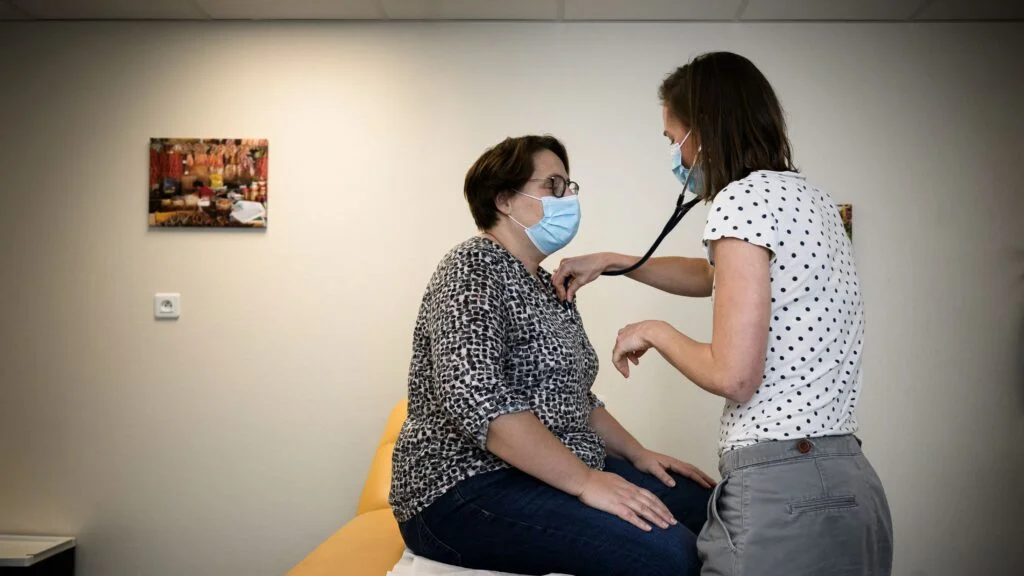
Opinion: I’m a medical student. RFK Jr. is right about medical school and preventive care
In medical school, a student writes, she has learned to react first, focus on prevention later.
March 11, 2026
Lifestyle trends and health tips
In medical school, a student writes, she has learned to react first, focus on prevention later.

Epstein's "great friend" returns to biotech, sex differences in suicide, and other health news from Morning Rounds
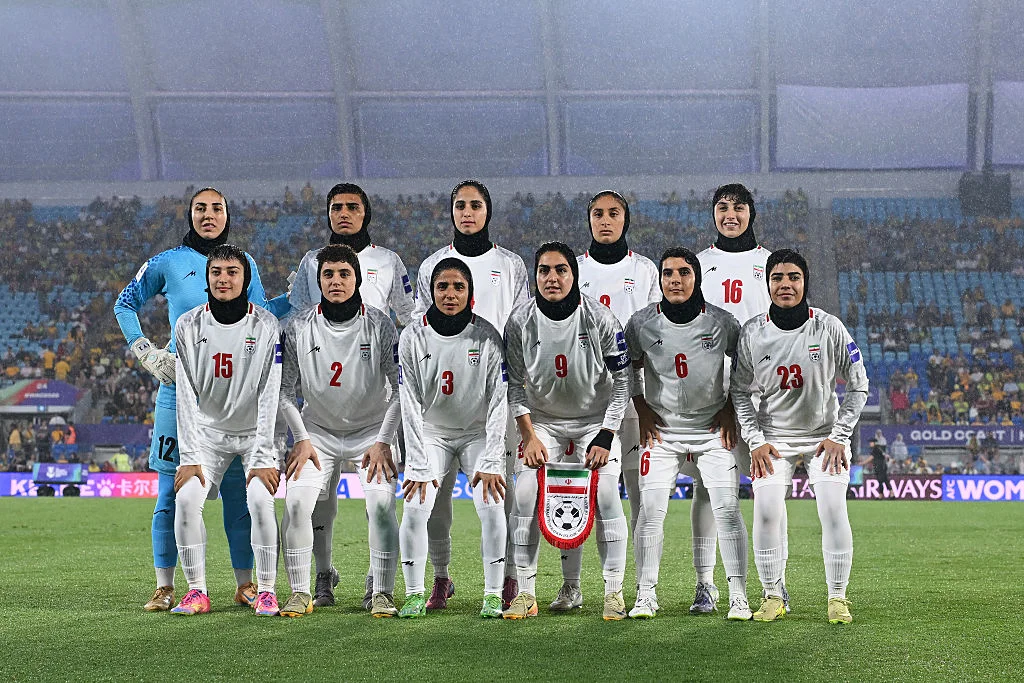
Trump raised concerns that the players would “most likely be killed” if they had to return to Iran.
Victims of the Philippines’ drug war finally see a path to justice in The Hague.
Press Secretary Karoline Leavitt has walked back a deleted social media claim from Energy Secretary Chris Wright.
Here are some news stories you might not have seen amid the United States-Israel war on Iran.
CAIR releases annual report, warning discrimination is likely to continue as Iran war sparks a new wave of hate speech.
Party members decry 'disturbing' lack of clarity following latest classified briefing on war justification and aims.
Australia's home affairs minister says a total of seven members of the Iranian women's team have been granted asylum.
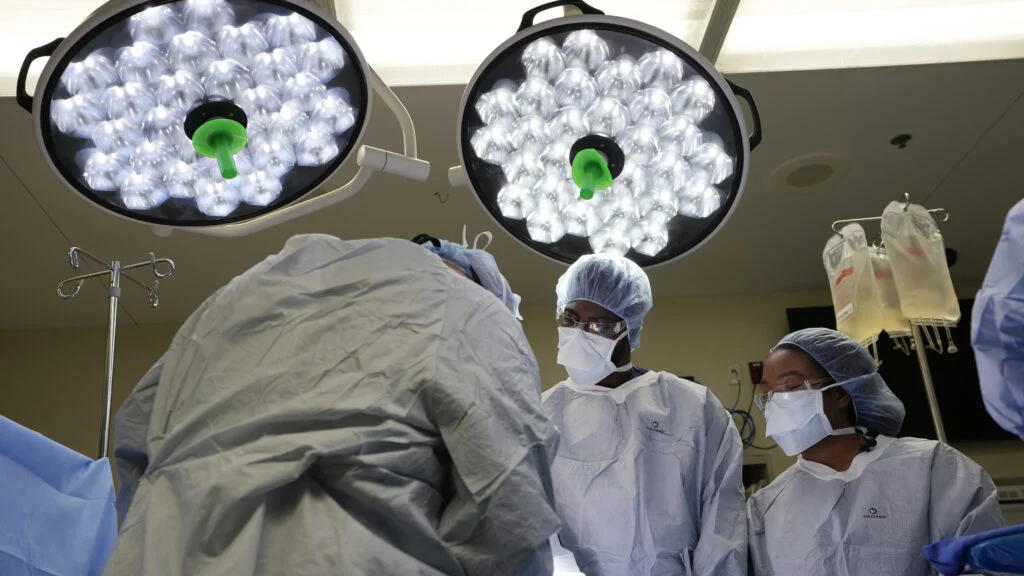
Removing race from the eGFR had a big impact, resulting in 5.3 more kidney transplants per 1000 Black candidates.
Epilepsy med response, a long-awaited fix to the kidney transplant system, and more health news
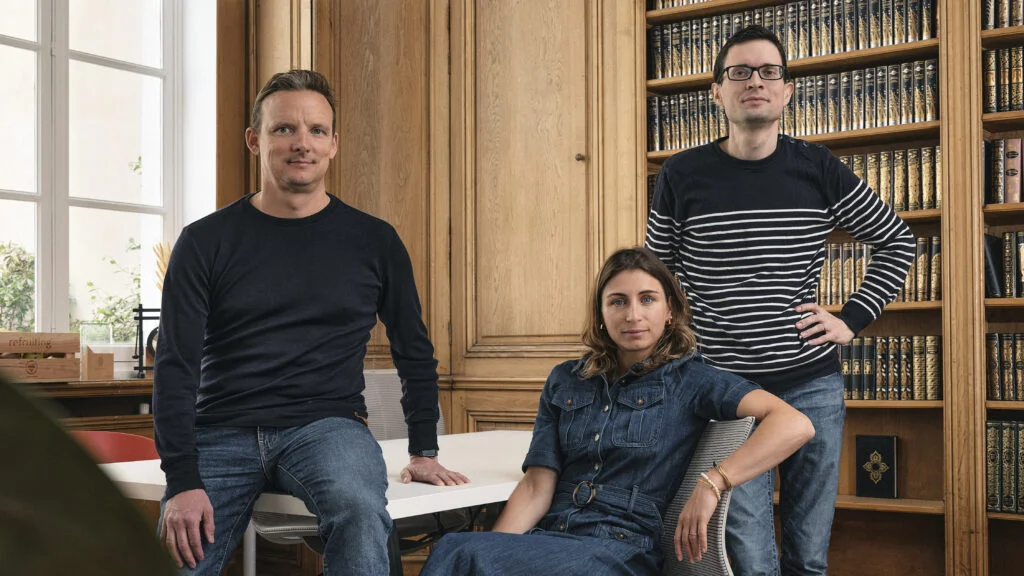
AI scribe company Nabla aims to be much more by using tech from Yann LeCun's new startup AMI, which just raised $1 billion.
The IRGC says its forces are ready to 'fully obey and sacrifice for the divine commands' after new supreme leader named.
Top Democrats say Minab school bombing that killed at least 170 people 'must be fully and impartially reviewed'.
Australian PM says the Iranian team members ‘asked for assistance and had received it and were safely located’.
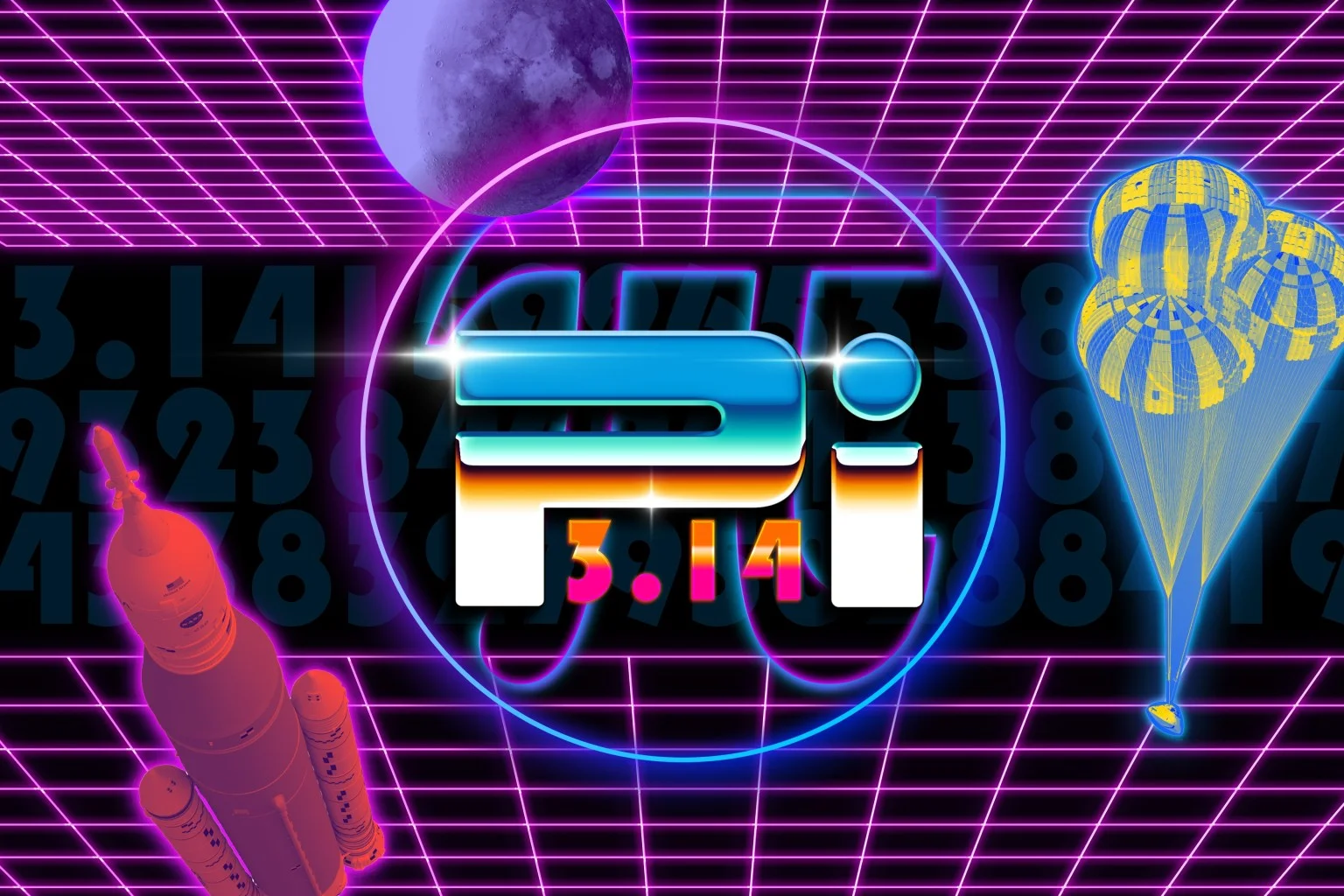
# The Infinite Constant: Understanding Pi's Role in Mathematics and Technology Pi (π ≈ 3.14159...) is one of mathematics' most fundamental constants — an irrational, non-terminating decimal that has fascinated mathematicians for millennia and powers the modern technological world. ## What Defines Pi Pi represents the universal ratio between any circle's circumference and its diameter. Regardless of scale — from a microchip's circular transistor to a satellite dish — this ratio remains constant at approximately 3.14159. As an irrational number, Pi cannot be expressed as a simple fraction, and its decimal expansion continues infinitely without repeating patterns. ## Why Pi Matters Beyond the Classroom Pi isn't an abstract curiosity — it's embedded in the computational backbone of modern technology: - **Signal Processing & Telecommunications:** Fourier transforms, which decompose audio, video, and wireless signals, rely directly on Pi - **Computer Graphics & Game Engines:** Rendering circular geometries, calculating rotations, and simulating physics all invoke Pi constantly - **Machine Learning:** Gaussian distributions — foundational to neural network optimization — incorporate Pi in their probability density functions - **Engineering Precision:** GPS accuracy, structural load calculations, and aerospace trajectory modeling depend on Pi computed to high precision ## The Computational Challenge Supercomputers have calculated Pi to over **100 trillion digits** — not for practical necessity (NASA's Jet Propulsion Laboratory uses only 15 decimal places for interplanetary navigation), but as a rigorous benchmark for testing computational hardware and algorithms. Pi's infinite, non-repeating nature makes it an enduring symbol of mathematical elegance and a critical tool driving technological innovation.

NASA’s Van Allen Probe A is expected to re-enter Earth’s atmosphere almost 14 years after launch. From 2012 to 2019, the spacecraft and its twin, Van Allen Probe B, flew through the Van Allen belts, r...
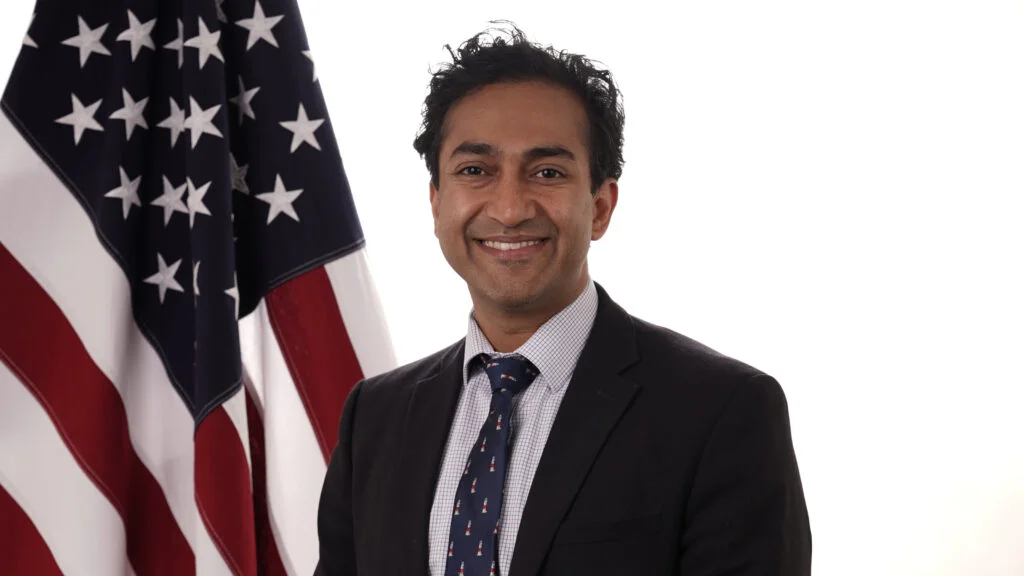
**Vinay Prasad's Controversial Stance on Rare Disease Therapeutics: A Regulatory Crossroads** FDA oncology division leader Vinay Prasad has emerged as a polarizing figure in rare disease drug policy, repeatedly challenging approval pathways that patient advocates and biopharma stakeholders consider critical lifelines. His decisions have sparked intense debate across the drug development ecosystem — raising fundamental questions about the balance between accelerated access, clinical evidence standards, and regulatory risk tolerance in orphan disease therapeutics. For rare disease patients — where treatment options are scarce and trial populations inherently small — Prasad's evidence-first posture carries outsized consequences, potentially reshaping how sponsors design pivotal studies and how payers ultimately assess value in ultra-rare indications.

**America's Overdose Crisis: A Sobering Benchmark Behind the Headlines** While public health officials tout recent declines in overdose fatalities as a victory, addiction researcher Wayne Kepner reframes the narrative with a stark counterpoint: the numbers we're celebrating still surpass total U.S. combat deaths in Vietnam — and they do so annually. The milestone exposes a critical gap between incremental progress and the scale of intervention the opioid and synthetic drug epidemic actually demands, challenging policymakers, healthcare systems, and technology-driven treatment platforms to recalibrate what "improvement" truly means in addiction medicine.
Behavioral and developmental pediatrician Lawrence Diller has observed a growing trend: parents actively seeking autism diagnoses for their children. Drawing from his clinical experience, Diller offers a nuanced perspective on the psychological and systemic drivers behind this phenomenon — from expanded diagnostic criteria and increased awareness to the practical reality that an autism spectrum disorder (ASD) label often unlocks access to educational resources, therapeutic services, and insurance coverage that would otherwise remain out of reach. In an era where neurodevelopmental conditions are increasingly destigmatized and advocacy communities thrive online, the diagnosis itself has become a gateway — not a stigma — prompting families to pursue formal evaluation with unprecedented urgency. Diller's insights challenge clinicians to examine how societal pressures, resource scarcity, and evolving cultural narratives around neurodiversity are reshaping the diagnostic landscape in pediatric medicine.