Iran authorities support continuity with backing for Mojtaba Khamenei
The IRGC says its forces are ready to 'fully obey and sacrifice for the divine commands' after new supreme leader named.
March 09, 2026
Entertainment news, movies, and celebrities
The IRGC says its forces are ready to 'fully obey and sacrifice for the divine commands' after new supreme leader named.
Ukraine has built low-cost drones to counter Russian attacks with imported Iranian Shahed drones.
Ministry of National Defence says no casualties or damage after missile shot down over southern city of Gaziantep.
Top Democrats say Minab school bombing that killed at least 170 people 'must be fully and impartially reviewed'.
French president says 'purely defensive' mission aims to gradually reopen key Gulf waterway amid spike in oil prices.
Australian PM says the Iranian team members ‘asked for assistance and had received it and were safely located’.
In its lawsuit, Anthropic said the designation was unlawful and violated its US free speech and due process rights.
As strikes continue across Iran, US President Trump has articulated shifting goals. But how likely are they?
US president, who had warned against selecting Mojtaba Khamenei to lead Iran, says new supreme leader may not 'last'.
New supreme leader receives support from Oman, Iraq, Yemen's Houthis, while the US and Israel make threats.
US president speaks in Florida after a call with Putin, who said he wanted to be 'helpful' on Middle East war.
**Israel's Domestic Front: Public Support for War Masks a Fractured Society** New polling data reveals overwhelming Israeli public backing for continued military operations, even as inflammatory genocidal language resurfaces in political discourse and dissenting voices face escalating intimidation and physical threats. The data exposes a deeply polarized home front where majority war support coexists with systematic suppression of opposition — a dynamic with significant implications for democratic resilience, civil liberties, and the long-term social cohesion of a nation navigating one of its most consequential conflicts. Analysts note that sustained wartime consensus, when reinforced by rhetoric dehumanizing entire populations, historically accelerates institutional erosion and complicates post-conflict reconciliation efforts.
**Trump Touts Operation Epic Fury as Strategic Victory Against Iran's Nuclear Infrastructure** In a high-profile address, the U.S. President framed Operation Epic Fury as a decisive geopolitical and military success, positioning the campaign against Iran as a watershed moment in American foreign policy. The speech underscored the administration's assertive stance on Middle East security, signaling potential shifts in regional power dynamics and U.S.-Iran relations that defense analysts and global markets will be closely monitoring.

NASA’s Van Allen Probe A is expected to re-enter Earth’s atmosphere almost 14 years after launch. From 2012 to 2019, the spacecraft and its twin, Van Allen Probe B, flew through the Van Allen belts, r...
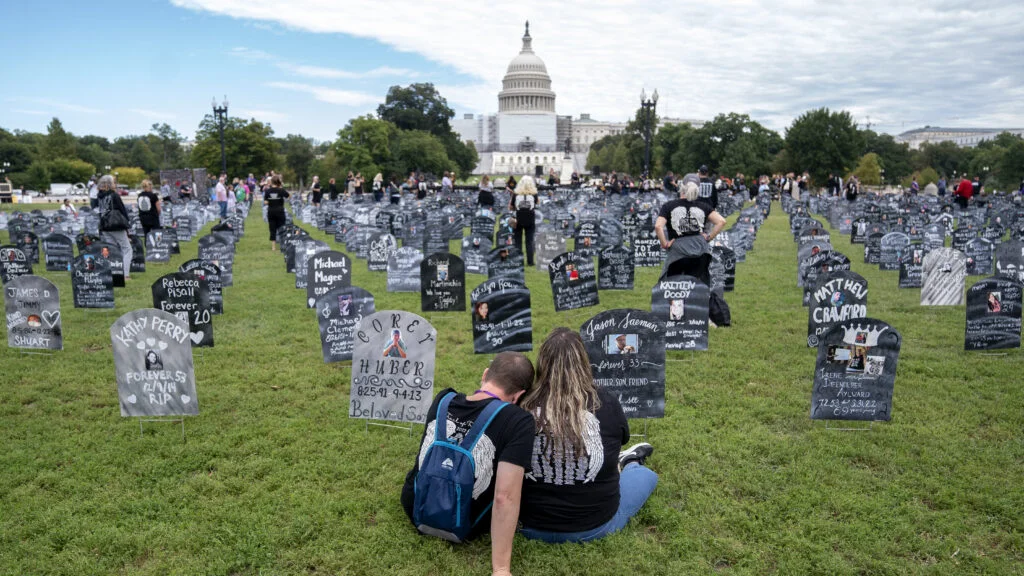
**America's Overdose Crisis: A Sobering Benchmark Behind the Headlines** While public health officials tout recent declines in overdose fatalities as a victory, addiction researcher Wayne Kepner reframes the narrative with a stark counterpoint: the numbers we're celebrating still surpass total U.S. combat deaths in Vietnam — and they do so annually. The milestone exposes a critical gap between incremental progress and the scale of intervention the opioid and synthetic drug epidemic actually demands, challenging policymakers, healthcare systems, and technology-driven treatment platforms to recalibrate what "improvement" truly means in addiction medicine.

**FDA Leadership Void Meets GLP-1 Market Disruption: Key Health Industry Developments** The healthcare sector faces compounding regulatory and pharmaceutical shifts as FDA Commissioner Vinay Prasad steps back from duties once again, raising fresh concerns about leadership continuity at a critical juncture for drug oversight. The timing is particularly consequential given accelerating pipeline activity across biologics and novel therapeutics. Meanwhile, the GLP-1 drug market is approaching a significant inflection point: generic formulations of semaglutide — the active compound behind blockbuster weight-loss and diabetes drug Ozempic — are advancing toward commercial availability. For health-tech stakeholders, payers, and digital therapeutics platforms, this development signals a potential democratization of access to one of the most clinically transformative drug classes in recent memory. Reduced cost barriers could dramatically expand addressable patient populations, reshaping chronic disease management economics and creating downstream opportunities for remote monitoring, adherence platforms, and integrated care solutions. These developments, surfaced in STAT News' *Morning Rounds* briefing, underscore the dual pressures reshaping U.S. healthcare: regulatory instability at the federal level and disruptive pricing dynamics in high-growth pharmaceutical categories — both of which carry material implications for investors, health system operators, and digital health innovators navigating an increasingly complex landscape.
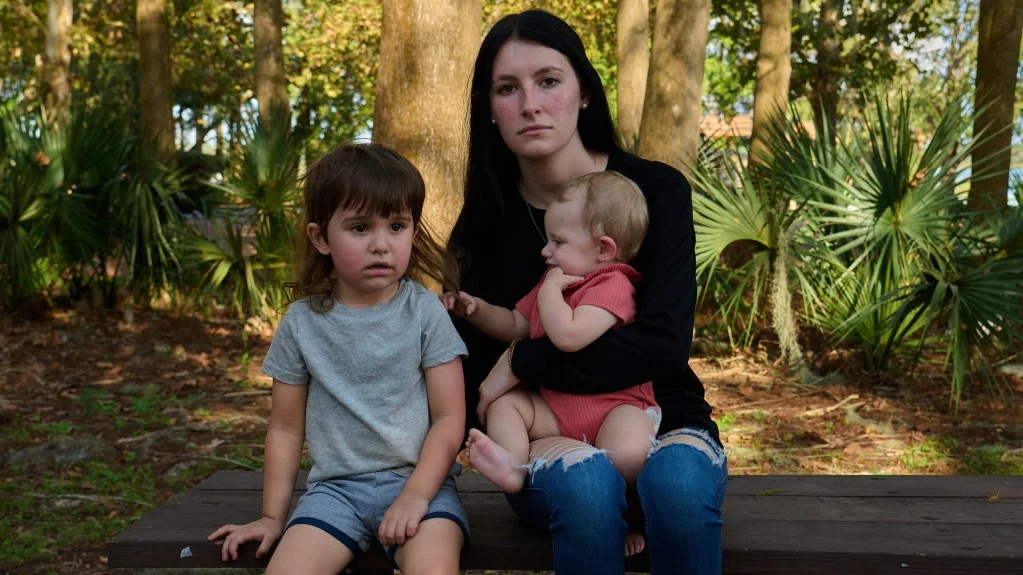
When she was 12, the police said she lied about being raped. Then she hit record. The Unflinching Courage of Taylor Cadle is a story from Reveal. Reveal is a registered trademark of The Center for Inv...

Drug testing of new mothers is ubiquitous, but protections for false-positive results are not—even when hospital error is to blame. Hospitals Gave Women Medications During Childbirth—Then Reported The...
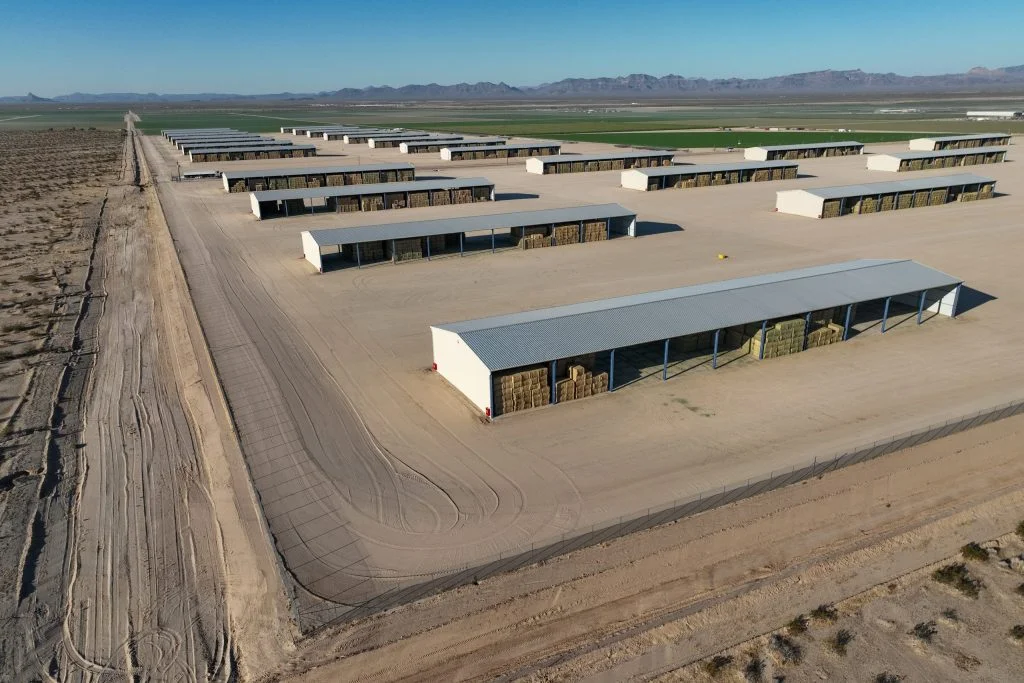
# Arizona Takes Legal Action Against Saudi-Owned Agricultural Operation Over Unsustainable Groundwater Extraction Arizona has filed suit against a Saudi-owned farming operation, alleging the company is systematically exploiting the state's unregulated groundwater framework to deplete a critical and irreplaceable desert aquifer. The lawsuit contends the corporation is deliberately capitalizing on legislative gaps in Arizona's groundwater protection statutes — essentially extracting a finite, centuries-old resource at industrial scale with minimal legal accountability. **Why This Matters Beyond the Headlines** This case sits at the intersection of water scarcity, agricultural technology, and resource governance — issues increasingly central to sustainability strategies across the tech and agribusiness sectors. As data centers, semiconductor fabs, and large-scale agricultural operations compete for water in arid regions, Arizona's groundwater crisis serves as a high-stakes stress test for regulatory frameworks that have failed to keep pace with industrial demand. The lawsuit signals a broader regulatory reckoning: states with legacy water laws are now actively pursuing litigation as a stopgap where legislation has stalled. For industries reliant on water-intensive operations in drought-prone markets, this case establishes a precedent that **operational legality does not equal regulatory immunity** — particularly when environmental harm is demonstrable. **Key Takeaway:** Groundwater depletion in the American Southwest is no longer just an environmental story — it's an emerging operational and legal risk factor for any enterprise with significant water dependencies in the region.
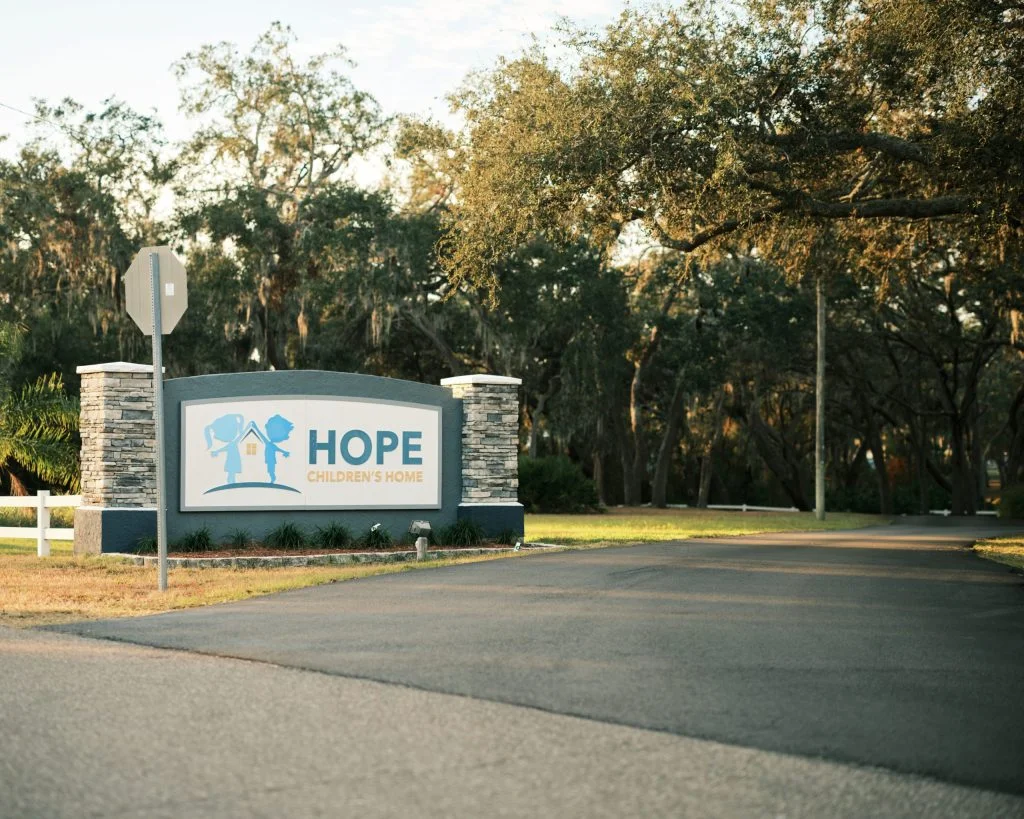
# Faith-Based Group Homes Operate Outside Florida's Regulatory Framework A nonprofit religious association—rather than state government—holds regulatory authority over approximately 24 residential care facilities in Florida, effectively creating a parallel oversight system that bypasses standard child welfare protections. This investigative report from Reveal exposes how certain Christian-affiliated group homes exploit religious exemptions embedded in Florida law to sidestep licensing requirements, safety inspections, and accountability measures that govern secular facilities. **Key Industry Implications:** The arrangement raises critical questions about regulatory gaps at the intersection of faith-based organizations and child welfare systems—a vulnerability that exists across multiple U.S. states. Child welfare advocates and policy analysts point to this model as a systemic risk, where vulnerable youth populations lose access to legally mandated protections simply based on the religious affiliation of their care provider. For compliance professionals and social services administrators, this case underscores the urgent need for **uniform minimum standards** regardless of organizational tax status or religious designation—particularly as ESG frameworks increasingly demand transparent governance across nonprofit sectors. The Reveal investigation highlights how legislative carve-outs, originally designed to protect religious freedom, can inadvertently create unmonitored environments for at-risk youth—a policy design failure with measurable human consequences. *Source: Reveal / The Center for Investigative Reporting*